Walk into a modern manufacturing facility and you may see robotic arms, conveyors, motors, pumps and sophisticated machinery.
But behind these machines is a control architecture that makes everything work together.
Two important technologies found across industrial automation are PLC and SCADA.
While they perform different functions, they often work together to provide machine control, monitoring and operational visibility.
What Is a PLC?
A Programmable Logic Controller (PLC) is an industrial computer designed to control machines and processes.
A PLC receives information from field devices such as:
- Proximity sensors
- Temperature sensors
- Pressure switches
- Level sensors
- Push buttons
- Encoders
It processes these signals according to its programmed logic and sends commands to output devices such as:
- Motors
- Solenoid valves
- Contactors
- Drives
- Actuators
- Industrial equipment
For example, a sensor may detect a product on a conveyor. The PLC can process that signal and command another machine to perform the next operation.
What Is SCADA?
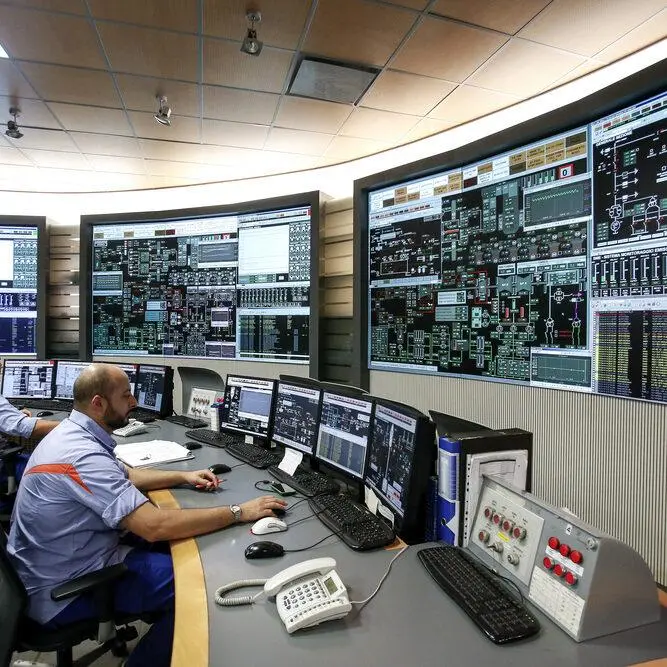
SCADA — Supervisory Control and Data Acquisition — provides a higher-level view of the industrial process.
SCADA systems can display:
- Machine status
- Process values
- Production information
- Alarms
- Trends
- Equipment conditions
- Historical data
An operator sitting in a control room can therefore monitor multiple machines or processes through a centralized interface.
How PLC and SCADA Work Together
A simple automation architecture might look like:
Sensors → PLC → Machines
while SCADA provides the supervisory layer:
Sensors → PLC → SCADA → Operator
The PLC performs the real-time control while SCADA allows operators and engineers to monitor and supervise the process.
Why HMI Is Important
An HMI, or Human Machine Interface, allows an operator to interact directly with a machine or process.
A well-designed HMI can show:
- Start/stop controls
- Machine status
- Setpoints
- Alarms
- Process values
- Production counters
- Fault information
Good HMI design is important because operators need to understand the condition of a machine quickly.
The Importance of Industrial Communication
Modern automation systems also depend heavily on communication networks.
PLC, SCADA, drives, sensors and other equipment may communicate through industrial protocols and networking technologies.
This connectivity enables information to move between different levels of the automation architecture.
Moving From Control to Data
Traditional PLC systems primarily focused on controlling machines.
Modern automation systems increasingly use PLC and SCADA data for:
- Production analysis
- Maintenance planning
- Performance monitoring
- Energy analysis
- Quality improvement
- Remote monitoring
This is an important step toward connected and intelligent manufacturing.
Choosing the Right Architecture
There is no single automation architecture suitable for every factory.
The right solution depends on:
- Process complexity
- Number of machines
- Production requirements
- Existing equipment
- Expansion plans
- Safety requirements
- Communication requirements
- Budget
A properly engineered system should therefore be designed around the actual process rather than simply selecting technology based on popularity.
Conclusion
PLC and SCADA continue to form an important foundation of industrial automation.
PLC technology provides reliable machine and process control, while SCADA provides operators and engineers with visibility into what is happening across the plant.
Together, they provide the foundation on which more advanced technologies such as IIoT, analytics and intelligent manufacturing can be built.